Register now for the Port of the Future Conference • 2 Days, 50 Ports • Houston/Galveston area, TX • April 12–14, 2027

NC Ports Tops Reefeer Cargo Record

May 13, 2020

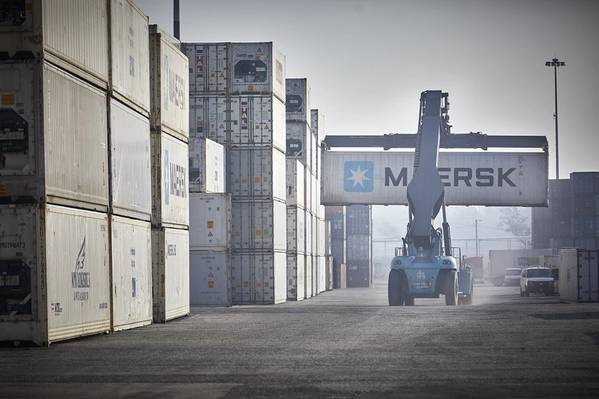
Photo: North Carolina Ports

The North Carolina State Ports Authority set a new record for refrigerated container volume. 

North Carolina Ports moved 1,459 refrigerated containers – 2,918 20-foot equivalent units (TEU) – through the Port of Wilmington during the month of April.

NC Ports said it continues to experience a healthy flow of refrigerated cargoes to global markets despite the recent volatility due to the coronavirus pandemic. FY20 year-to-date (July-April) volumes are up 20 percent over FY19. Annual growth from FY14 to FY19 is up more than 225 percent. Pork and poultry products continue to be the leading export while bananas are the largest refrigerated import cargo.

This latest accomplishment comes on the heels of the opening of a new refrigerated container yard last month. The $14 million project increased the number of on-terminal refrigerated container plugs from 235 to 775 with the ability to expand to more than 1,000 plugs through Phase 2 of the project.

Logistics News

Rafael Reis Appointed as VP Operations at Hanseatic Global Terminals Latin America

Rafael Reis Appointed as VP Operations at Hanseatic Global Terminals Latin America

Russia Strikes Five Vessels in Ports Along Ukrainian Black Sea

Russia Strikes Five Vessels in Ports Along Ukrainian Black Sea

Russian Oil Freight Rates Spike On Security Risks, Vessel Availability

Russian Oil Freight Rates Spike On Security Risks, Vessel Availability

Rigid Wingsail Retrofit Successfully Completed Aboard Bulk Carrier

Rigid Wingsail Retrofit Successfully Completed Aboard Bulk Carrier

Subscribe for Maritime Logistics Professional E‑News

Bids for the Panama Canal Transit Auction exceed $1 million as demand soars
CPC Blend oil set to export 1.5 million barrels a day in September on Karachaganak Maintenance
The Russian NKHP estimates that repairs to grain terminals after an attack could take up to four months.