marine link image
Register now for the Port of the Future Conference • 2 Days, 50 Ports • Houston/Galveston area, TX • April 12–14, 2027

Panama Canal Expansion Tripartite Meeting

December 13, 2012

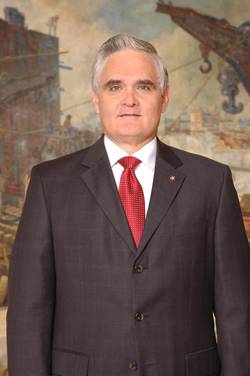
ACP Administrator Jorge L. Quijano: Photo credit ACP

A Panama Canal Authority (ACP) delegation met with International Chamber of Shipping & IMO representatives for canal expansion talks.

The ACP delegation was headed by Administrator Jorge L. Quijano who said: “These face-to-face meetings are part of the permanent dialogue that the Panama Canal holds with its customers to get feedback on their needs, as well as keep them up to date on what is happening at the waterway.”

During these meetings, Canal officials presented a progress report on the waterway's Expansion Program and the requirements for new Panamax vessels to transit the new lane once it is completed, including a conceptual framework to change the waterway's toll structure after 2014.


The Expansion Program is intended to allow the Canal to remain competitive and viable for Panama and the international maritime community in the long term.

Logistics News

SGX, European Energy Exchange Offer Baltic Handysize Futures Contracts

SGX, European Energy Exchange Offer Baltic Handysize Futures Contracts

Supply Pressurei in Container Vessel Sector

Supply Pressurei in Container Vessel Sector

Port Houston Shares Channel Region Monthly Trade & Market Report

Port Houston Shares Channel Region Monthly Trade & Market Report

HiFleet Schedule Watch Shanghai Call Omissions Dominate as Ningbo Sees Both Retained and Omitted Calls

HiFleet Schedule Watch Shanghai Call Omissions Dominate as Ningbo Sees Both Retained and Omitted Calls

Subscribe for Maritime Logistics Professional E‑News

Murmansk, a Russian Arctic port, will start shipping grain using fertiliser equipment
Sinograin to hold second soybean auction in September ahead of Trump-Xi Summit
Study finds that global biofuel production will increase by nearly 70% in 2030 as a result of the Gulf energy crisis