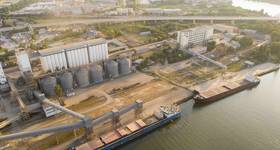
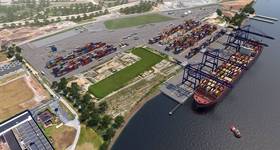
With strong increases in iron ore and other cargo, total tonnage shipped via the St. Lawrence Seaway is up 20 percent over last year.
The St. Lawrence Seaway Management Corporation reports that cargo shipments from March 20 to June 30 totaled more than 12 million metric tons – up two million metric tons over the same period in 2016.
“St. Lawrence Seaway shipping is a bellwether for the health of the overall U.S. and Canadian economies and reflects strong demand for raw materials to support the automotive, manufacturing and construction sectors,” said Bruce Burrows, President of the Chamber of Marine Commerce. “The Seaway is supporting both domestic economic growth and international trade to key markets.”
The latest statistics show that iron ore shipments have reached 2.7 million metric tons so far in 2017, an increase of nearly 66 percent from 2016. Much of that rise is due to a surge of U.S. iron ore exports from Minnesota to China and Japan. Canadian domestic carriers are loading the iron ore pellets from Minnesota ports to ship via the Seaway to the Port of Quebec where they are then transferred to larger ocean-going vessels for international shipment.
U.S. grain shipments via the St. Lawrence Seaway are also up nearly 10 percent with vessels carrying mainly export products from Milwaukee, Toledo and Duluth.
In addition, general cargo shipments (including specialty steel and project cargo) via the Seaway from March 20 to June 30 are up 29 percent, dry bulk has increased nearly 16.7 percent and shipments of salt are more than 34.5 percent ahead of 2016.
The much-improved picture for marine shipping was echoed at a number of Great Lakes ports.
At the Port of Toledo, iron ore, aluminum, grain and petroleum are all significantly ahead of last year, contributing to an increase of 63 percent over 2016. “We have passed 3.5 million tons which is the best start we have had since 2012,” said Joseph Cappel, VP of Business Development for the Toledo-Lucas County Port Authority. Cappel hopes that the brisk pace will continue for the remainder of the shipping season. “It’s great to see our tonnage numbers improving and, with the recent announcement of Cliffs Natural Resources’ $700 million investment in a new Hot Briquetted Iron facility at the Port of Toledo’s Ironville terminal, we are very optimistic about our future.”
Cargo movement through the Port of Detroit also continues to increase. “We’re very happy with the robust numbers we’ve seen so far this year,” said John Loftus, Executive Director of the Detroit/Wayne County Port Authority. “As Michigan manufacturers continue to invest in their plants and infrastructure, the demand for industrial machinery and other cargo increases. The Port plays a vital role with the terminals in close proximity to many metro Detroit-based manufacturing facilities saving companies time and money, while reducing wear and tear on Michigan’s roads.”