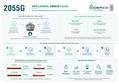
The Oil Companies International Marine Forum (OCIMF) has confirmed that its digitalized Ship Inspection Report Program (SIRE 2.0) is scheduled to ‘go-live’ on Monday 2 September 2024 and become the standard tanker inspection tool for the marine industry.
The final transition to SIRE 2.0 and the withdrawal of the option to request a SIRE Vessel Inspection Questionnaire (VIQ7) inspection from Monday 2 September 2024 has been given now that all pre-agreed ‘Critical Success Factors’ for going live have been met and approved by the OCIMF Vessel Inspection Program Steering Group, Programmes Committee and OCIMF Executive Committee (ExCom).
This move to SIRE 2.0 will mark the end of the phased transition to the updated, enhanced and digitalised tanker inspection programme which is expected to transform how the marine industry assesses the safety and operational condition of tankers and their crew on an ongoing basis.
“OCIMF implemented a multiphase roll-out programme to ensure industry had the opportunity to engage with SIRE 2.0 before it became the standard inspection tool," said Aaron Cooper, Programs Director, OCIMF. "A significant number of SIRE 2.0 inspections have been completed in Phase 3 enabling all sectors of the industry to fully participate as well as supporting the full end-to-end testing of the SIRE 2.0 system."
The move to the digitalized inspection program means that every tanker inspection will be bespoke and tailored to the individual vessel and its risk-profile and will require vessel operators and their crew to be prepared to respond to any potential inspection question from the SIRE 2.0 Question Library. Using their intrinsically-safe tablet devices, SIRE 2.0 inspectors will provide a response to each question in the inspection’s unique Compiled Vessel Inspection Questionnaire (CVIQ) in relation to Hardware, Processes and Human Factors. This will provide programme recipients with inspection reports that contain marine assurance data, information and feedback with greater detail than the existing SIRE reports.
“I cannot emphasise enough how important it is that all program users use the next 60 days to ensure they are prepared to move permanently to SIRE 2.0. During this time, Phase 3 inspections are still available, and program users should make sure personnel at sea and onshore are fully familiarized with the new inspection process, procedures and guidance and they should also ensure their own in-house procedures, tools and systems are aligned. They can also use this time to complete the Pre-Inspection Questionnaire work before the go-live,” Cooper added.
OCIMF advises industry to use all the documentation and training resources available on the OCIMF website to ensure that personnel at sea and onshore are prepared for SIRE 2.0 inspections.