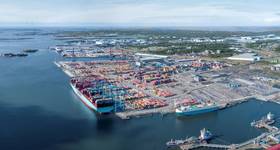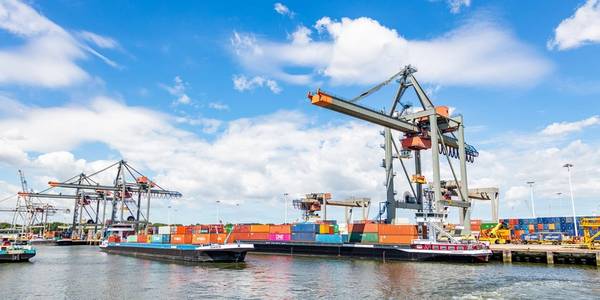
The U.S.’ largest energy export gateway and Europe’s leading industrial deepsea port have entered into a Memorandum of Understanding that will allow the two global entities to collaboratively improve their global maritime operations.
The Port of Corpus Christi and the Port of Rotterdam have outlined a number of shared objectives, which include codeveloping trade and commercial opportunities, fostering an exchange of information, and advancing the development and deployment of innovative technologies specifically related to navigational safety and environmental protection.
Sean Strawbridge, Chief Executive Officer for the Port of Corpus Christi, said, “This alliance and the discourse it will generate will enhance the headway we have made toward safe and sustainable industrial facilitation of navigable commerce, and we are excited for the benefits this will bring to our Port customers and the communities we serve.”
Since Congress lifted the ban on U.S. crude oil exports to global markets in December 2015, the Port of Corpus Christi has become the nation’s largest crude oil export gateway, as well as the largest in total revenue tonnage. In 2020, the Port of Corpus Christi set an annual tonnage record for the fourth consecutive year, moving 159.7 million tons (144.9 million tonnes), driven primarily by increases in crude oil, LNG and agricultural exports. While the Port continues to reinforce its prowess in the global energy market, its leadership remains committed to Environmental, Social and Governance policies.
“We share the ambition to be a global leader in applying pioneering innovations and in offering logistical efficiencies and we face the same sustainability challenges. It’s great to start this partnership to explore opportunities that will bring value to our shared customer base,” said René van der Plas, Director of Port Rotterdam International.
Like the Port of Corpus Christi, Port Rotterdam has taken proactive steps to reduce its carbon footprint and bring technology to bear to bolster environmental protection. These efforts include deployment of carbon capture and storage technologies, using hybrid, electric- or hydrogen-powered vehicles for port business and patrols, and discounts on port dues for sea-going vessels who exceed statutory environmental requirements.
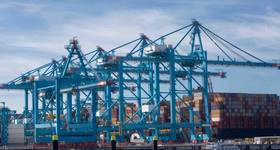
The Port of Rotterdam in 2020 moved 436.8 million tonnes of cargo through its 42km waterway in the Netherlands. Approximately 30,000 ocean-going vessels and 100,000 inland vessels call on Port of Rotterdam per annum. Providing direct and indirect employment to some 385,000 people and representing 6.2% of the Netherlands’ GNP, the port of Rotterdam is an important pillar for both the Rotterdam region and the Dutch economy as a whole.