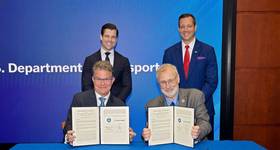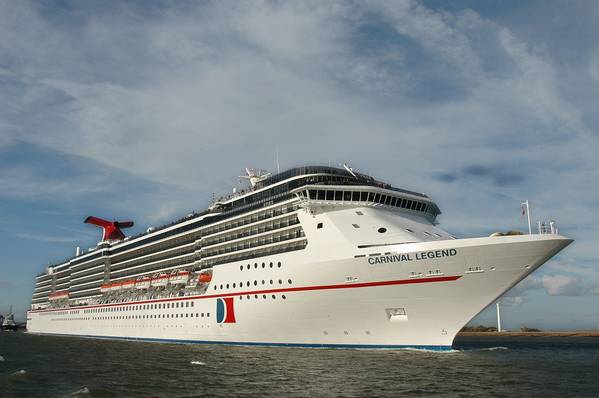
The U.S. Environmental Protection Agency (EPA) and Coast Guard have reached an agreement in principle with Carnival Corporation to develop advanced emission control technology to be used in waters surrounding U.S. coasts.
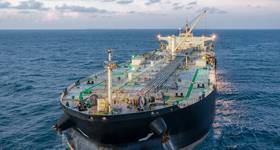
Under the agreement, Carnival will develop and deploy a new exhaust gas cleaning system on up to 32 ships over the next three years to be used in Emission Control Areas (ECA’s). The North American and U.S. Caribbean ECA’s create a buffer zone around U.S. and Canadian coasts where ships must reduce harmful air pollution emissions.
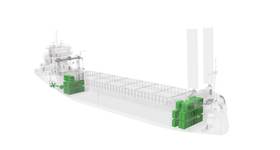
These new controls combine the use of sulfur oxide (SOx) scrubbers with diesel particulate filters - thus combining technologies well known in the power plant and automotive sectors, but not previously used together on a marine vessel. The technological advances spurred by these programs will provide an opportunity for ECA compliance at a significant (50 percent or greater) reduction in cost and may yield emission reductions beyond those required by current requirements. The advanced technology can also provide additional benefits in the reduction of particulate matter and black carbon.
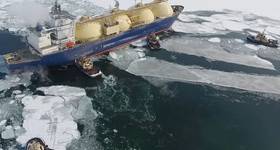
Carnival Corporation is the most recent of several shipping companies, including other cruise lines, that plans to use flexibility in the standard to support the development of advanced pollution control technology. EPA supports the initiative taken by Carnival and other marine companies to develop advanced emissions control technologies to comply with the ECA requirements, including SOx scrubbers or the use of liquefied natural gas (LNG).
The ECAs were developed by the United States and Canada through an agreement with the International Maritime Organization in order to protect human health and the environment by significantly reducing air pollution from ocean-going vessels. By 2020, ECA limits will reduce nitrogen oxide (NOx) emissions by 320,000 tons, particulate matter (PM) emissions by 90,000 tons, and SOx by 920,000 tons. Each year, the standard will also result in the prevention of tens of thousands of premature deaths while relieving respiratory symptoms for nearly five million people.
EPA and Coast Guard are committed to ensuring the ECA is implemented utilizing the flexibilities allowed by the International Maritime Organization for the development of advanced technologies while achieving health and environmental benefits. EPA and Coast Guard continue to talk with several marine companies regarding other technology development programs which may be appropriate to support.
epa.gov