Shipping companies and the union for 20,000 dockworkers at nearly 30 U.S. West Coast ports have cleared a major hurdle in their protracted labor talks, clinching a tentative deal on the maintenance and control of cargo chassis, the two sides said on Tuesday.
Settlement of the chassis issue, and the contract talks generally, has been seen as crucial to resolving months of chronic cargo backups hampering ports that handle nearly half of U.S. maritime trade and more than 70 percent of imports from Asia.
"A tentative agreement was reached on the chassis topic, and we are hopeful that this will allow us to move toward conclusion of a full agreement in the near term," said Wade Gates, spokesman for the Pacific Maritime Association, which represents shipping lines and terminal operators in the federally mediated talks.
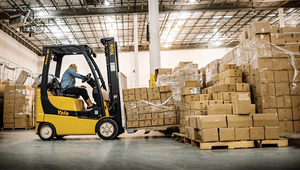
Details of the accord were not disclosed, although management spokesman Steve Getzug said the deal related to jurisdiction over maintenance, repairs and inspection of the tractor-trailer chassis used to haul cargo from the ports to warehouses.
The International Longshore and Warehouse Union did not comment publicly. But a union source familiar with the status of the negotiations confirmed that a preliminary deal was reached this week governing chassis maintenance, repairs and inspection.
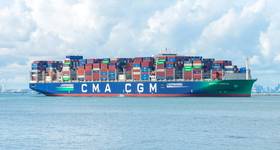
The chassis have figured prominently as a stumbling block in eight months of labor talks and a slowdown of cargo traffic that began at some ports in October, leaving lines of idle freighters anchored every day waiting for berths to open.
The companies have accused the union of instigating the slowdowns to gain bargaining leverage. Cargo that normally takes two or three days to clear has faced lag times of up to two weeks, with productivity at some waterfronts cut by at least half, industry analysts say.
The union denies causing the bottle-necks, countering that the shippers themselves are largely to blame for business decisions that disrupted port operations. Chief among these are chassis shortages and distribution problems that stem from outsourcing by shippers to third-party leasing companies.
Officials of the ports themselves also cite chassis shortages, along with record import levels, rail service delays and the advent of super-sized freighters that have overwhelmed the capacity of terminals.
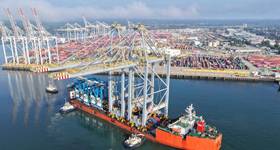
Among the ports hit hardest have been Los Angeles and Long Beach, the two busiest U.S. container cargo hubs, as well as Oakland in San Francisco Bay and the ports of Seattle and Tacoma in Washington state.
Port delays have rippled through the U.S. distribution chain, causing headaches for suppliers ranging from mango importers to pork exporters. Industry officials have even blamed West Coast port congestion for shortages of french-fried potatoes at McDonald's Corp outlets in Japan and out-of-stock furnishings at home goods chain IKEA in the United States.
Reporting by Steve Gorman