Offshore facility operators can now consider an alternative and more cost-effective means to transfer personnel to and from their facilities, which is safe, efficient and regulatory compliant.
An industry guideline, which is issued today, is the culmination of a joint industry project (JIP), led by DNV GL to facilitate in helping those involved develop Walk to Work (W2W) solutions and understand the important aspects required during its selection and implementation.
W2W manning of offshore facilities is an alternative to the traditional means of transfer such as by helicopter, basket transfer or boat landing.
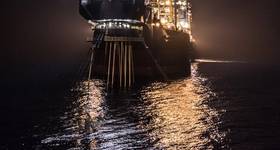
W2W can take many forms ranging from a simple and relatively small crew ferry between land and an offshore facility, to a large, multi-role vessel or moored semi-submersible accommodation facility.
The W2W JIP has spanned over eight months and involved fifteen companies including operators of offshore oil and gas and wind facilities, gangway system developers, vessel operators and turnkey service providers. It has also had input from offshore facility and maritime regulators.
The coalition captured, collated and developed existing experience and material from the participating companies and other sources. The output is a guidance document on all aspects of W2W, which will become a non-prescriptive reference source that supports decision-making for delivery of safe, efficient and cost-effective W2W manning solutions.
To successfully select and implement a W2W solution may need considerable time and effort to work through the wide range of aspects.
During operation, it requires effective alignment, integration and collaboration between the offshore facility operator, a vessel operator and a gangway provider, on a 24-hour basis in a dynamic environment heavily influenced by operational needs, sea and weather conditions. Most importantly, it also requires buy-in from the workforce who will be required to use the W2W solution as well as from industry regulators. To date, there has been a mixed response from both the workforce and regulators to some aspects of W2W. By providing clarity around known issues, the JIP guidance will minimise challenges during implementation.
Hamish Holt, Senior Principal Consultant with DNV GL, who project managed the JIP said: “W2W has the potential to offer significant opportunities and benefits for operators of new or existing offshore facilities. In order to maximise these, there are many aspects that need to be understood and considered.
“The comprehensive and detailed industry guidance takes a lifecycle approach to W2W implementation from initial business need definition, through concept development, into operation. It identifies and details the key aspects to help ensure that appropriate decisions are taken along the process.”
A complimentary copy of the new W2W Guidance is available online from www.dnvgl.com/W2W.