The U.S. Coast Guard has published the long awaited Non-tank Vessel Response Plan (NTVRP) and Other Response Plan regulation in the federal register dated September 30, 2013.
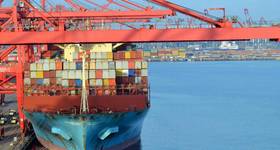
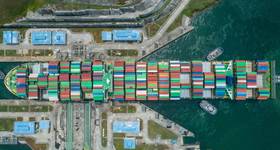
Mandatory compliance will be required of all applicable vessels by January 30, 2014. These regulations impact self-propelled non-tank vessels of 400 gross tons or greater that operate in navigable waters of the United States and carry any kind of oil as fuel for main propulsion. The NTVRP requirements for planning of response services are scaled to oil carrying capacity (i.e. risk). Thus, for small non-tank vessels with less oil carrying capacities, there are fewer functional planning requirements.
The new rule requires that non-tank vessel owners operating in and out of U.S. waters enter into agreements with a Salvage and Marine Firefighting (SMFF) provider and list predefined response resources in the VRP. It is estimated that more than 14,000 ships will be required to comply with the SMFF requirements by contracting with a qualified salvor.
svitzer.com