Propane powers every link in the supply chain from forklifts and equipment to delivery fleets, ensuring uptime and lower costs.
In today’s high-pressure logistics landscape, supply chain professionals are navigating a growing set of demands, from tighter delivery timelines to surging energy costs and unpredictable grid reliability. Yet, amid these challenges, propane is helping keep America’s logistics networks moving.
From factory floors to the final mile, it powers the equipment that supports efficient, consistent performance. It’s time to take a closer look at how this low-emissions, off-grid energy source helps material handling operations stay agile and competitive.
Built for Every Link in the Supply Chain
The modern supply chain is a complex ecosystem that hinges on seamless coordination across manufacturing, warehousing, transportation, and delivery. Each stage requires dependable energy to maintain smooth workflows — and propane delivers.
Propane powers a wide range of material handling equipment, including:
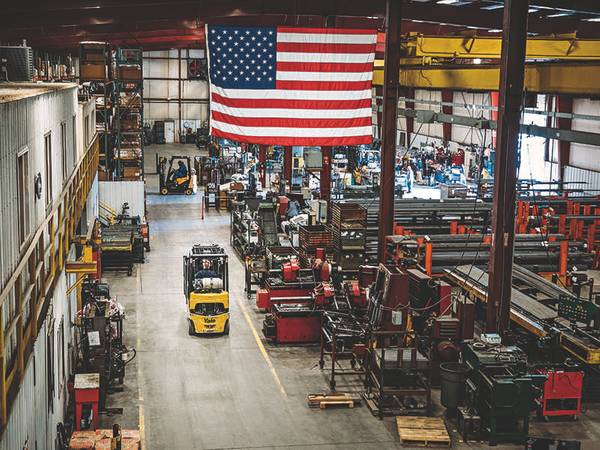
Forklifts: Propane-fueled forklifts are a mainstay in warehouses and factories thanks to their ability to operate both indoors and outdoors, fast refueling, and high performance over long shifts.
Terminal Tractors and Port Equipment: At ports and distribution terminals, propane-powered vehicles handle the movement of containers with low emissions and high reliability.
Generators: Propane generators are available in a wide variety of capacities, so there’s a model that will meet the needs of any size facility or operation.
Delivery Vehicles: More companies are now using propane autogas to power delivery fleets because of its clean operation and reduced fuel costs.
Propane’s versatility allows it to perform across any operational environment, from temperature-controlled facilities to outdoor logistics hubs. That makes it a practical, scalable energy solution across the entire supply chain.
Uptime You Can Count On
Downtime disrupts supply chain efficiency. Whether it’s a forklift waiting for a recharge or a delivery vehicle sidelined during a power outage, even minor delays can reduce productivity, customer satisfaction, and profitability.
Propane helps minimize those risks by offering:
Quick Refueling: Unlike electric equipment that requires hours of charging, propane cylinders can be swapped in minutes, keeping your fleet moving with minimal interruption.
Off-Grid Resilience: Propane is stored on-site and does not depend on the electrical grid. That means your operations remain protected from blackouts, brownouts, or charging infrastructure bottlenecks.
High Equipment Availability: Propane-powered equipment often has longer runtimes and fewer performance dips under heavy load, especially compared to battery-powered alternatives.
When the pressure’s on during seasonal shipping surges, labor shortages, or supply chain disruptions, propane ensures uptime, which translates into on-time deliveries and operational peace of mind.
Energy Independence That Cuts Costs and Complexity
In an era of volatile energy prices and unpredictable infrastructure, propane offers reliability and predictability. Propane offers relatively consistent pricing compared to electricity or diesel, making it easier to plan and manage long-term budgets. In addition, facilities can store propane in bulk, reducing their reliance on public utilities and offering greater control over energy supply and scheduling. With fewer dependencies on grid infrastructure and less downtime for refueling or maintenance, propane-powered operations often enjoy more consistent and efficient workflows.
For supply chain managers tasked with maximizing throughput while minimizing costs and risks, propane delivers a clear advantage: more uptime, lower overhead, and fewer surprises.
The Unsung Hero of the Modern Supply Chain
It’s easy to overlook the energy behind the machines that move the world. As seasonal shipping demands increase throughout the year, propane plays a critical role in helping supply chain operations meet rising consumer expectations. From manufacturing and packaging to port logistics and last-mile delivery, propane provides reliable and on-demand energy at every step. More than just a fuel, propane is a strategic asset.
Facilities and logistics providers that adopt propane are not only improving resilience and uptime, but also strengthening their ability to adapt to changing market dynamics. As a clean energy source with low emissions and high efficiency, propane is also aligned with evolving sustainability goals, helping companies build future-ready operations.
Learn how propane supports every part of the supply chain, from warehouse floors to delivery routes, at propane.com.