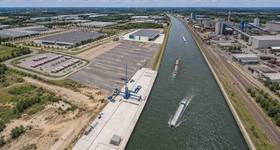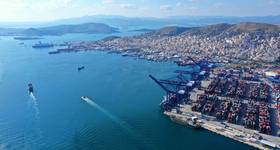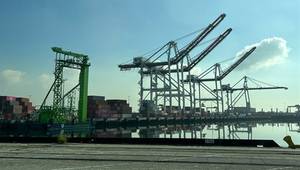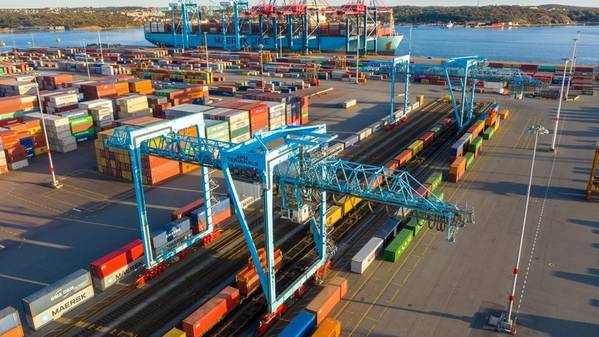
The Port of Gothenburg is investing in overhead line infrastructure for the container terminal’s handling tracks in a move that will boost capacity, cut emissions and improve the efficiency of rail operations. The investment will enable electric locomotives to run directly to and from the terminal, removing the need for diesel locomotives or detours via the port departure yard.
The project is designed to create more efficient rail flows within the port area and support continued growth in rail freight volumes.
By extending the overhead line infrastructure to the container terminal’s handling tracks, electric locomotives will be able to operate all the way to and from the terminal. This will reduce the need for shunting via the port departure yard, freeing up capacity, shortening turnaround times and lowering carbon emissions.
The container terminal is operated by APM Terminals and handles around 80 trains per week, linking the port with more than 20 destinations across Sweden.
Rail freight volumes continue to grow
Last year, a record 529,000 TEU were transported to and from the port by rail, and volumes have continued to increase in 2026. As demand grows, so too does the need to make better use of existing infrastructure.
The investment is expected to cut total turnaround times for container rail shuttles by up to 30 minutes, while also enabling longer trains to be handled. Today, train length is limited by the 630-meter tracks in the departure yard. The new solution will improve conditions for handling trains of up to 750 meters. The time savings will come from allowing trains to depart directly from the container terminal, reducing time spent in the departure yard.
The project includes the installation of around 1,250 meters of overhead line infrastructure, along with 38 line masts and associated foundations. It also includes upgrades to level crossing protection systems and a new emergency access road, further enhancing safety and resilience for both road and rail traffic in the area.
Construction is set to begin next year.