Polar Code Will Force Big Operator Investment
By Eric Haun
October 16, 2015
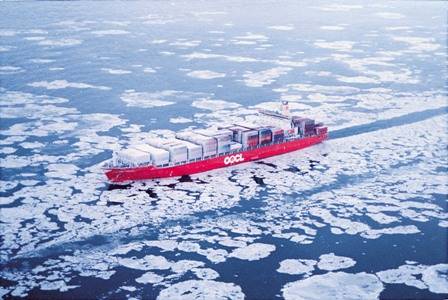
Photo: IMO
Photo: IMO
Experts predict a higher level of shipping activity through polar sea routes for the years to come. Aiming to limit the impact of this activity on the region’s fragile environment, the IMO’s Polar Code sets standards that are likely to affect operators in a big way when they come into force in 2017.
The Polar Code,
adopted by the IMO via amendments to the SOLAS (Safety of Life at Sea) and MARPOL (Prevention of Pollution from Ships) Conventions, sets a number of mandatory shipping rules, in addition to a number of recommendations and guidelines, aiming to help
protect the environmentally sensitive region – covering a full range of shipping-related matters relevant to navigation in waters surrounding the two poles, such as ship design, navigation, crew training and education, search and rescue activities, and the discharge of oil, chemicals, sewage and garbage.
Commenting on the impending Polar Code and the pollution prevention measures being adopted Hannah Charles, Senior Claims Executive, UK P&I Club, said, “The impact that the Polar Code will have on operators trading in the region remains to be seen.”
He explained, “The Code brings with it numerous requirements for all ships trading in the Polar Regions and therefore a great deal of investment will need to be made by operators.”
Charles called IMO’s adoption of the code a “reflection of the shipping industry recognizing the sensitivity of Arctic ecosystems,” and added that it “acknowledges the need for a higher degree of care when navigating polar waters, given the increased trade throughout these regions.”
“It is without doubt that these requirements are necessary, especially given that the standard SOLAS ships are generally considered to only be adequate in open water conditions, where ice coverage is less than 10 percent and the average lowest daily air temperature is not lower than minus 10 degrees,” Charles said.