The ports of Bremen and Bremerhaven, Germany, have joined an ambitious campaign to a ban on heavy fuel oil (HFO) from Arctic shipping – along with more than 80 companies, organisations, politicians, NGOs and explorers.
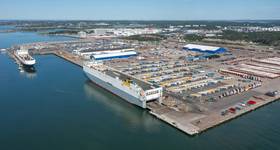
Bremenports GmbH & Co. KG, operates the twin ports Bremen and Bremerhaven, which rank as the fourth busiest container port in Europe, and the world’s 16th biggest.
“Bremenports is proud to sign up to the Arctic Commitment. Heavy fuel oil has no place in Arctic shipping. We are calling on other ports to join us on calling on the IMO to enact a ban on its use in Arctic waters”, said Robert Howe, CEO of Bremenports GmbH & Co. KG.
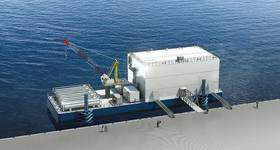
“Sustainability is a central element in bremenport’s strategy”, continued Howe. “We have implemented numerous projects under the label “greenports”, some of which have won international awards. In order to reduce local air pollution, we will soon bring into service a LNG-powered barge for dredged material. In addition, sustainability and environmental issues are integrated into bremenport’s public outreach.”
Launched at the Arctic Frontiers conference in January 2017 by the Clean Arctic Alliance – a coalition of non-governmental organisations – and expedition cruise ship operator Hurtigruten, the Arctic Commitment aims to protect Arctic communities and ecosystems from the risks posed by the use of heavy fuel oil, and calls on the International Maritime Organization (IMO) to ban its use and carriage as fuel by Arctic shipping.
An HFO ban has already been in place in Antarctic waters, since 2011. In July 2017, the Clean Arctic Alliance welcomed action being taken by IMO member states to start work to identify measures to mitigate the risks of HFO spills, during the IMO’s Marine Environment Protection Committee meeting (MEPC71).
“With the IMO’s MEPC72 meeting coming up in April, we are encouraged to see major maritime operators like bremenports supporting the banning of the use and carriage of HFO as ship fuel in Arctic waters. A ban is the simplest and most effective mechanism for mitigating the consequences of a spill and reducing harmful emissions”, said Dr Sian Prior, lead advisor to the Clean Arctic Alliance.
“We hope to see other ports join Bremenports in becoming Arctic Commitment signatories, to help build understanding of the HFO problem, and increase the momentum to end its use by Arctic shipping,” Sian added.