The US-based shipowner-operator engaged in the global transportation of drybulk commodities, Eagle Bulk Shipping announced the establishment of a new commercial office in Copenhagen, relocating from its existing base in Hamburg.
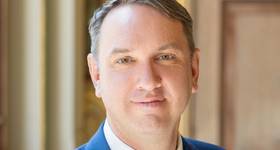
The Copenhagen office will be led by Mathias Groenvald, who recently joined Eagle Bulk, said a press release from the player in Supramax / Ultramax segment.
Groenvald previously served as Senior Vice President, Head of Chartering for Clipper Bulk, and has over 30 years of drybulk industry experience.
Gary Vogel, Eagle Bulk's CEO, commented, "Given its significant concentration of drybulk activity, we believe that Copenhagen is the ideal location for our European commercial operations. We are pleased to welcome Mathias to Eagle Bulk and believe his experience and network make him well positioned to lead this new venture.”
Headquartered in Stamford, Connecticut, with offices in Singapore and Copenhagen, Eagle focuses exclusively on the versatile mid-size drybulk vessel segment and owns one of the largest fleets of Supramax/Ultramax vessels in the world.