marine link image
Register now for the Port of the Future Conference • 2 Days, 50 Ports • Houston/Galveston area, TX • April 12–14, 2027

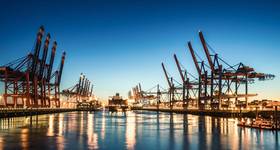
APL: New Asia Australia Express 2

February 15, 2019

Photo: APL
Photo: APL

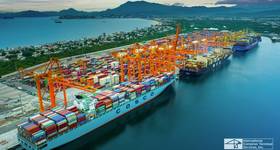
APL launched a new weekly Asia Australia Express 2 (AAX2) service that will connect the key Southeast Asian ports of Vietnam, Malaysia, Singapore and Indonesia to the two major eastern Australian cities of Brisbane and Sydney.

The AAX2 service is poised to be the only service in the market with a direct call from Ho Chi Minh to Australia. Promising the industry’s fastest transit time, an AAX2 shipment from Ho Chi Minh to Brisbane and Sydney will take just 16 days and 18 days respectively.  A shipment to Brisbane and Sydney from Jakarta will arrive in 10 days and 12 days respectively.

Additionally, the strategic port calls of the AAX2 service at the transhipment hubs of Singapore and Port Klang will offer shippers access to APL’s wider service network for global connectivity.  

The AAX2 service will commence sailing from Ho Chi Minh on 15 March with the following port rotation: Ho Chi Minh – Port Klang – Singapore – Jakarta – Brisbane – Sydney – Port Klang – Ho Chi Minh.

 

Logistics News

A Ceasefire Would Allow Russia to Restart 80% of Black Sea Grain Export Terminals

A Ceasefire Would Allow Russia to Restart 80% of Black Sea Grain Export Terminals

Aderco's 2055G+: Emissions Performance with Shared, Verifiable Data

Aderco's 2055G+: Emissions Performance with Shared, Verifiable Data

ARC Freedom Enters ARC's U.S.-Flagged Fleet

ARC Freedom Enters ARC's U.S.-Flagged Fleet

NYK Contributes to Industry Insight on Ammonia-Fueled Vessels at IMO

NYK Contributes to Industry Insight on Ammonia-Fueled Vessels at IMO

Subscribe for Maritime Logistics Professional E‑News

Maguire: Rapid EV adoption in the US fuel market has caused a split.
Sources say that traders are pushing for lower prices for Venezuelan crude oil, as shipping costs have risen.
Study finds that global biofuel production will increase by nearly 70% in 2030 as a result of the Gulf energy crisis