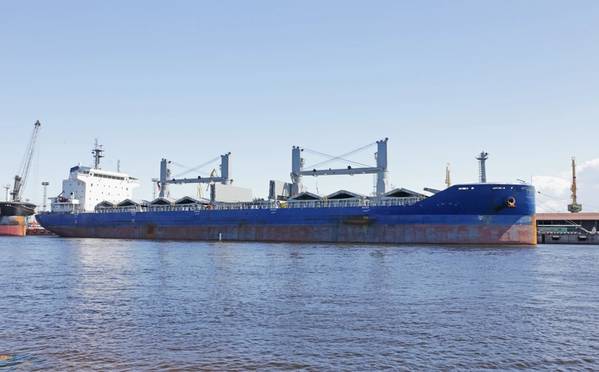
The Baltic Exchange's main sea freight index, which tracks rates for ships ferrying dry bulk commodities, rose to 1-1/2-year peak on Monday as demand improved across vessel segments.
The Baltic dry index, which tracks rates for capesize, panamax and supramax vessels, added 47 points, or 2%, to 2,432, its highest level since September 2019.
The capesize index gained 37 points, or 1.1%, to 3,476, its highest in more than six months.
Average daily earnings for capesizes, which typically transport 150,000-tonne cargoes of coal and steel-making ingredient iron ore, were up $310 to $28,830.
Iron ore prices in Asia pushed higher on Monday as strengthening global steel demand buoyed sentiment, and as Chinese steel mills continued to ramp up output despite the government's scrutiny of their compliance with stricter anti-pollution rules.
The panamax index grew 94 points, or 4%, to 2,441, a high since April 1.
Average daily earnings for panamaxes, which usually carry coal or grain cargoes of about 60,000 tonnes to 70,00 tonnes, rose $849 to $21,968.
The supramax index was up 29 points at 1,878.
(Reporting by Bharat Govind Gautam)