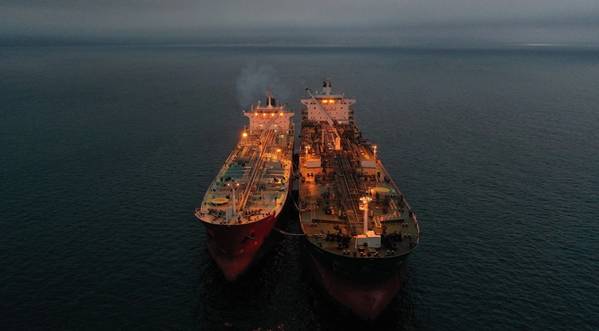
Portland Port in Dorset has been approved to carry out liquefied natural gas (LNG) ship-to-ship transfers, expanding its fuel handling capabilities.
The port, which is already operational for oil and liquefied petroleum gas transfers, said the addition of LNG ship-to-ship operations enhances its service offering.
“Our new STS licence means that we can now support LNG transfers directly at our port.
“It will help reduce transit times and streamline operations for the LNG supply chain while providing access to a fully compliant and experienced marine infrastructure,” said Ian McQuade, Commercial Director at Portland Port.
Ship-to-ship operations can be conducted alongside the port’s berths or at anchor within the harbor, subject to regulatory compliance overseen by the port and harbor authority.
“With our strategic location 20 miles north of the English Channel shipping lanes and our well-established record in licensed and fully compliant STS transfer operations, we hope to work closely with customers to support their commercial and operational objectives,” added McQuade.