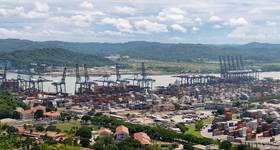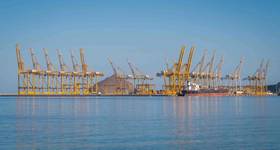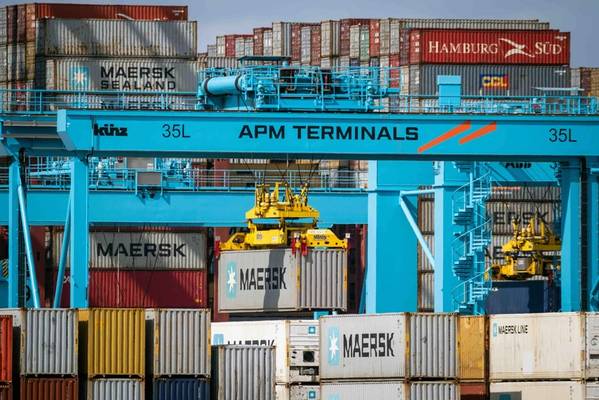
Dutch port operator APM Terminals will invest $550 million to expand Peru's Callao port starting in January, chief commercial officer for the company's Peru unit, Fernando Fauche, said on Wednesday.
The two-year project aims to increase the terminal's capacity to 24,000 containers, Fauche told journalists during an event celebrating the launch of direct arrivals from Asia to the facility on Peru's central coast.
Peru's Callao port in November began offering new direct shipping routes from China and South Korea, cutting transit times to about 23 days, port officials confirmed on Wednesday. The service is designed to strengthen trade ties with Asia and position Callao as a key Pacific hub for Asian imports.
Initial shipments have included retail products from Chinese e-commerce platforms such as Temu, according to Fauche.
"Shipments are fully booked for the next six weeks. There's demand," he added.
APM and local port authorities described the nearby Chinese-built megaport of Chancay north of Lima as "complementary," though industry analysts warn that the two facilities could compete for Asian cargo as infrastructure investments accelerate along Peru's Pacific coast.
(Reuters)