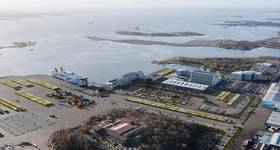
Sri Lanka is shifting a naval base to a port built and controlled by China, it said on Monday, a move that will strengthen security at a harbor that foreign powers fear China could use for military purposes.
The base currently in the tourist district of Galle will be moved 125 km (80 miles) east along Sri Lanka's southern coast to Hambantota, nearer a main shipping route between Asia and Europe.
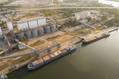
The $1.5 billion deepwater port is likely to play a major role in China's "Belt and Road" initiative and is under a 99-year lease to China Merchants Port Holdings at a cost of $1.12 billion.
Government and diplomatic sources have told Reuters that the United States, India and Japan have raised concerns that China might use the port as a naval base.
The Sri Lankan government and Chinese embassy in Colombo have denied that and the agreement for the port deal included a clause that it cannot be used for military purpose.
"Sri Lanka has already informed China that Hambantota port cannot be used for military purposes," Prime Minister Ranil Wickremesinghe's office said in a statement.
"Since the security of the port will be under the control of Sri Lanka navy, there is no need to fear."
A naval unit has already been established in Hambantota and construction work for the base is under way, navy spokesman Dinesh Bandara said.
(Reuters reporting by Shihar Aneez and Ranga Sirilal Editing by Robin Pomeroy)