Nearly 20,000 live animals, all endangered or protected species, have been seized in a global operation against wildlife and forestry trafficking networks, jointly coordinated by INTERPOL and the World Customs Organization (WCO).
Operation Thunder 2024 (November 11 – December 6) brought together police, customs, border control, forestry and wildlife officials from 138 countries and regions, marking the widest participation since the first edition in 2017.
Authorities arrested 365 suspects and identified six transnational criminal networks suspected of trafficking animals and plants protected by the Convention on International Trade in Endangered Species of Wild Fauna and Flora (CITES).
Globally, more than 100 companies involved in the trafficking of protected species were identified.
The live animals, which included big cats, birds, pangolins, primates and reptiles were rescued in connection with 2,213 seizures made worldwide.
Where possible, wildlife forensic experts collected DNA samples before transferring the animals to conservation centers. The collection of DNA is a crucial part of supporting prosecutions, as it helps confirm the type of species and its origin or distribution, shedding light on new trafficking routes and emerging trends.
In addition to the live animals, participating countries seized hundreds of thousands of protected animal parts and derivatives, trees, plants, marine life and arthropods.
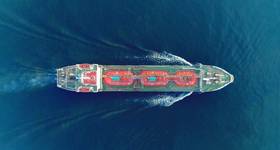
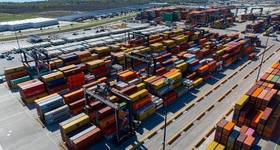
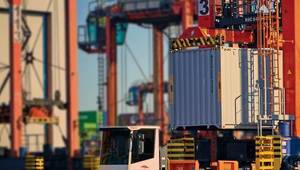
Timber cases represent the most significant seizures, primarily occurring in sea cargo container shipments, while most other seizures took place at airports and mail processing hubs.
Significant ocean freight seizures included:
Indonesia: 134 tonnes of timber headed to Asia.
Kenya: 41 tonnes of exotic timber headed to Asia.
Indonesia: 846 pieces of reticulated python skin, from the world’s longest snake species, concealed on board a ship.
Valdecy Urquiza, INTERPOL Secretary General said: “Organized crime networks are profiting from the demand for rare plants and animals, exploiting nature to fuel human greed. This has far-reaching consequences: it drives biodiversity loss, destroys communities, contributes to climate change and even fuels conflict and instability.”