Carnival Corp Leans on Tech to Boost Vessel Efficiency, Cut Emissions
February 27, 2025
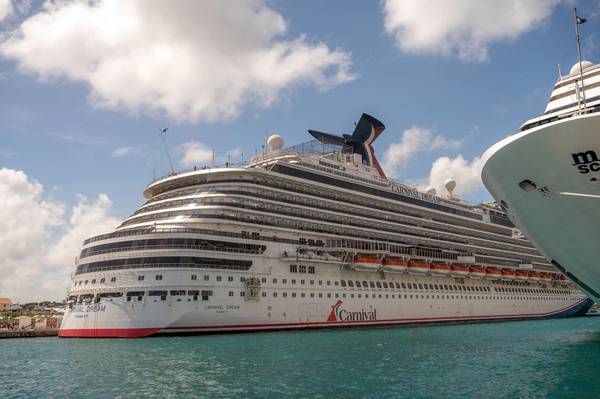
Copyright Mary Salen/AdobeStock
Carnival Corporation & plc (NYSE/LSE: CCL; NYSE: CUK), the world's largest cruise company, is advancing greater fuel efficiency for propulsion through hull designs and new hardware and technology, along with underwater drone inspection and cleaning trials.
This work is done through complementary strategies focused on maximizing hydrodynamic performance and enhancing ongoing hull maintenance, which reduces a ship’s underwater drag.
Here's a synopsis of the CCL strategy:
- Hull Designs: When selecting the optimal hull design, computer-assisted analysis enables ship and propeller designers to run hundreds of thousands of simulations, identifying the best design options for different sailing conditions.
- Trim Optimization: Software is used onboard to optimize the trim of a vessel by transferring ballast water internally to ensure that the ship operates continuously in the best configuration for propulsive efficiency.
- Podded Propellers: Over 40 ships in the company’s fleet are fitted with high-efficiency, 360-degree steerable propulsion units up to ~7% more efficient than conventional propellers. This number will continue to grow as new ships with this technology are added to the fleet.
- Air Lubrication Systems (ALS): More than 10% of the company’s fleet is already equipped with this technology, which uses air bubbles to reduce the ship's resistance as it moves through the water, reducing propulsive fuel consumption by 5% or more. Over the next three years, 10 more ships are planned for ALS conversion.
- Hull Inspections with Drones: Drones are being trialed to monitor the condition of hull coatings, allowing the company to optimize the timing of hull cleaning and manage marine growth and debris to retain peak hydrodynamic efficiency.
- Robotic Hull Cleaning: The company is conducting trials with several service providers that offer the next generation of remotely operated vehicle (ROV) “robot” hull cleaners. The ROVs can map the hull and accelerate the cleaning process, offering continuous improvement opportunities for cleaning speed, efficiency, and quality to approach the goal of full hull cleaning during a single port visit and efficiently cleaning without damaging protective hull coatings.
- Next-Gen Hull Paint: New hull coatings with advanced biofouling prevention are continually being tested across the company’s global operations to evaluate durability, efficiency, longevity, and ease of application. At any one time, about 15% of the Carnival Corporation fleet is trialing new coatings.