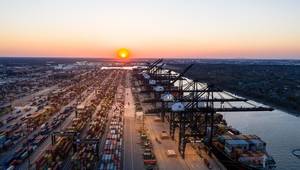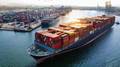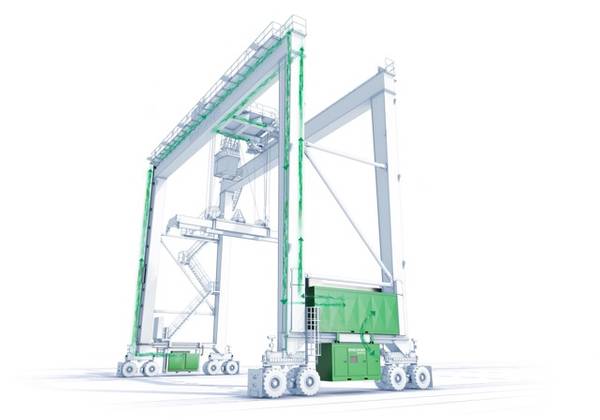
Baltic Container Terminal (BCT) in Gdynia, Poland, has ordered eight hybrid Konecranes Rubber-Tired Gantry cranes (RTGs) including Konecranes' 3,000th RTG. The contract was signed in Q2 2025.
Owned by global terminal operator ICTSI, BCT Gdynia is one of the Baltic Sea’s key container hubs. This is BCT's first investment in Konecranes RTGs. Each of the eight cranes will be powered by a Konecranes hybrid drive, combining advanced battery technology with a compact diesel genset.
This configuration offers significantly lower fuel consumption and emissions compared to conventional diesel-powered RTGs. The project is funded by the European Union’s NextGenerationEU (E2.1.3 “Intermodal projects” from the National Recovery Plan in Poland).
The cranes also come equipped with advanced Smart Features to enhance safety and operational efficiency at the terminal. These features include Stack Collision Prevention, Auto-TOS Reporting and Auto-Steering.
The cranes will be manufactured in Poland via Konecranes’ established local manufacturing network. The delivery also includes the company’s 3,000th RTG manufactured and delivered by Konecranes globally.
This contract is part of Ecolifting, Konecranes’ vision to increase its beneficial environmental impact while reducing customers’ carbon footprints.