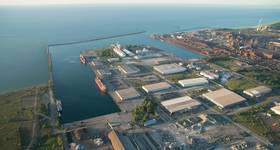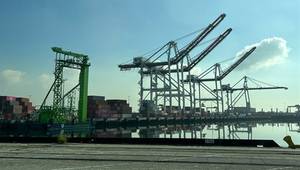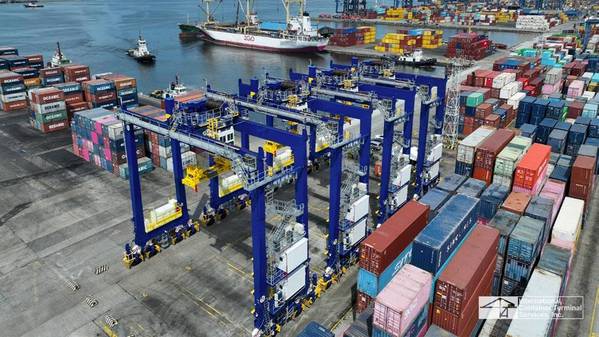
NorthPort, International Container Terminal Services, Inc.’s (ICTSI) domestic cargo operation at the Port of Manila, recently took delivery of four new hybrid rubber-tired gantry (RTG) cranes.
Manufactured by Mitsui E&S, the cranes strengthen cargo-handling operations at NorthPort, the Philippines' primary gateway for domestic cargo. They are also part of the terminal’s modernization program to support increasing cargo volumes, improve service levels and prepare the terminal for growth.
These hybrid units combine large battery energy storage systems with smaller diesel engines, reducing fuel consumption and carbon emission. Compared to traditional RTG cranes, the average annual carbon emissions per hybrid unit is estimated to be lower by up to 58.7 percent.
Alongside investments in equipment, NorthPort is implementing a structural upgrade program that includes wharf strengthening at Pier 14 and civil works at Pier 16. The program will improve infrastructure resilience to further support safe, and reliable operations. The program is on track for completion by the end of 2027.